


Related posts
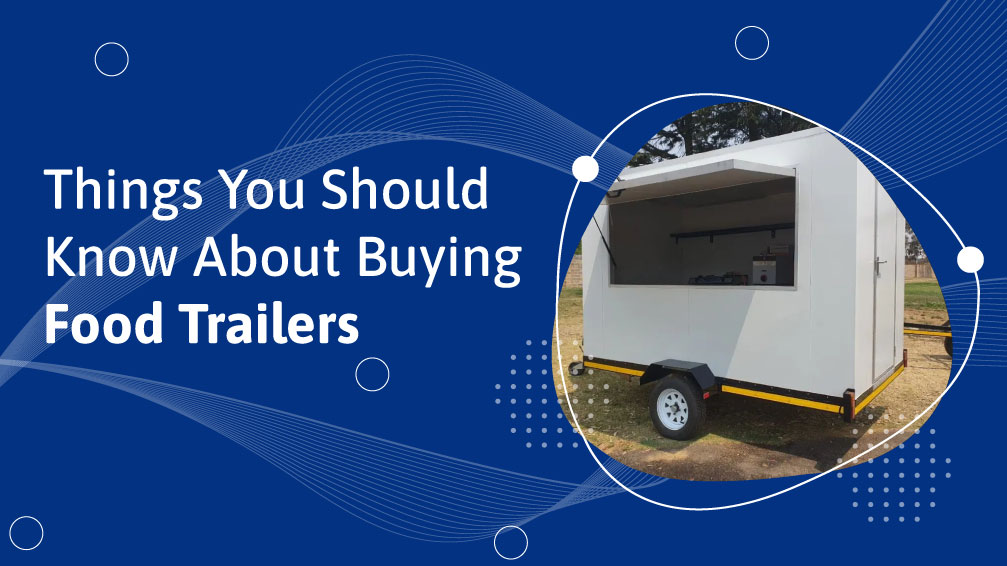
Buying a Food Trailer: What to Check Before You Buy
A food trailer is a working kitchen on wheels, so it needs to suit your menu, your staff and the roads you travel. Check these points b...

Water Bowsers in South Africa: How to Choose the Right Size and Tank
A water bowser is a tank on a trailer that lets you take water to where the work is: a building site with no connection, livestock in a...
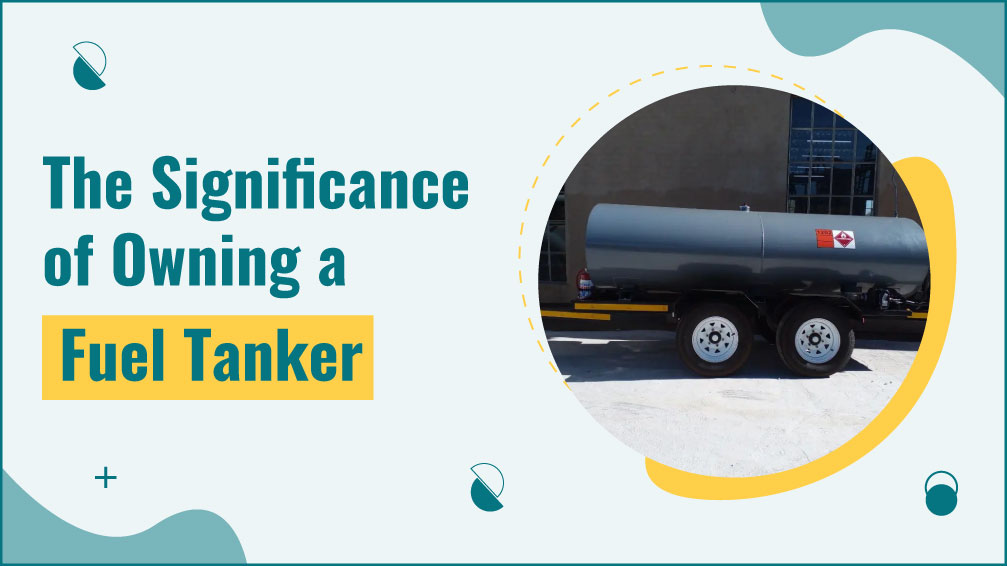
Fuel Tankers for Business: Which Type Do You Need?
Owning your own fuel tanker puts you in control of when and where your machines and vehicles are fuelled. The right type depends mainly...

Stainless Steel Tankers and Bowsers: When Stainless Is Worth It
Stainless steel costs more than mild steel or polyurethane, so it is worth knowing when you actually need it.
When you need stainless s...

How to Choose a Utility or Cargo Trailer
A good utility trailer carries building materials, equipment, garden waste and farm loads for years. These are the points that decide w...

Diesel Bowser Buying Guide: Size, Tank Material and Towing
A diesel bowser brings fuel to your machines, so plant stays working instead of driving back to a pump or waiting for a delivery. Farms...

How to Start a Food Trailer Business
A food trailer lets you test a menu, trade where the customers are and grow without the cost of a fixed shop. These are the steps to wo...

Closed Body Box Trailers: 5 Reasons to Choose One
An open trailer is fine for rubble and sand. When the load is tools, stock or equipment, a closed body box trailer pays for itself.
1. ...
How to Choose a Livestock or Cattle Trailer
The right livestock trailer moves your animals safely and calmly, and stays legal and stable behind your vehicle. Work through these ch...